

Disclosure: Some links on Themezhub are affiliate links. We may earn a commission if you make a purchase through them.
Ever wondered what actually happens between you and a cloud server? Cloudways sits right in that gap. It’s a managed cloud hosting platform, one that runs your websites and applications on infrastructure from providers like DigitalOcean, AWS, Google Cloud, Vultr, and Linode. Rather than leaving you to handle the underlying cloud infrastructure alone, Cloudways takes on much of the server management. You still keep control over your hosting environment, just without the heavy lifting.
So is Cloudways actually a good fit for your website? That’s what this Cloudways Review digs into. We’ll cover pricing and performance, along with features, WordPress hosting, ease of use, and customer support. Strengths and limitations get a look too, plus a few Cloudways alternatives worth knowing about. By the end, you should know whether Cloudways’ cloud web hosting approach earns its price tag in 2026. You’ll also know whether it actually fits your project.
🏆 Cloudways Review 2026: Quick Verdict
Cloudways is the best choice for anyone who wants fast, reliable, and scalable cloud hosting without the hassle of managing servers. It’s a fully managed platform built for WordPress, WooCommerce stores, and growing websites—giving you the power and flexibility of cloud hosting with none of the technical complexity.
Our Rating: ⭐ 4.8/5
What Is Cloudways?
Cloudways is a top-rated managed cloud hosting platform. It runs your websites and applications on cloud servers. You can pick from DigitalOcean, Vultr, or Linode. AWS and Google Cloud are options too. You manage your servers and applications through the Cloudways platform rather than managing the underlying infrastructure directly with the cloud provider. That setup gives you real cloud infrastructure access. You don’t have to handle every part of server administration yourself.
WordPress is supported here. So is WooCommerce. Magento and Laravel are supported too, along with PHP. The platform also offers Cloudways Autonomous. It’s a fully managed WordPress hosting option built for high availability. Automatic scaling comes with it as well.
Cloudways hosting sits between basic shared hosting and managing cloud infrastructure yourself. You get real control over your hosting environment, while Cloudways quietly handles most of what happens underneath it.
How Does Cloudways Work?
With Cloudways Flexible, you start by picking an infrastructure provider. DigitalOcean, AWS, and Google Cloud are options. So are Vultr and Linode. Next, you choose the server size and location that fit your needs. Then you pick the application to deploy, like WordPress or Laravel. Magento and PHP work too. Cloudways handles the deployment through its own platform. You never have to configure the underlying cloud infrastructure by hand.
Once deployment is done, you manage your server and applications through the Cloudways platform. This covers tasks like managing applications and configuring server settings. Creating backups falls under this too, along with other routine management work. Cloudways’ managed service also covers operating system patches and security updates. Firewall rules are part of that too.
Cloudways Pricing and Plans
Cloudways runs on a usage-based pricing model. What you pay depends on the server configuration and infrastructure provider you pick. Plans vary by CPU and RAM. Storage and bandwidth vary too, and pricing can shift by region for AWS and Google Cloud servers.
| Plan | Start Price | RAM | vCPU | Storage | Bandwidth | Best For |
|---|---|---|---|---|---|---|
| Micro | $14/mo | 1GB RAM | 1 vCPU | 25GB NVMe | 1TB | Personal sites & blogs |
| Small | $28/mo | 2GB RAM | 1 vCPU | 50GB NVMe | 2TB | Small business websites |
| Medium | $54/mo | 4GB RAM | 2 vCPU | 80GB NVMe | 4TB | Higher-traffic websites |
| Large | $99/mo | 8GB RAM | 4 vCPU | 160GB NVMe | 5TB | for e-commerce stores and resource-intensive apps |
The billing model shifts depending on the provider, too. DigitalOcean, Linode, and Vultr servers come with monthly price caps, as long as they stay active for a full month. AWS and Google Cloud servers work differently. They’re billed hourly, with no monthly cap. Change your server size mid-month, and Cloudways calculates the cost based on how long each configuration ran.
This setup makes Cloudways pricing more flexible than the fixed monthly plans many traditional hosts use. You pick a configuration based on what your site actually needs. You’re not stuck paying for some predefined package. Cloudways also bills for actual usage. That is useful if you are testing a server or running something temporary.
The trade-off? You can’t just take a quick glance at the headline pricing when comparing plans. You need to weigh the infrastructure provider and server resources. Location matters too, along with any extra usage or add-ons that could affect your final bill.
Does Cloudways Offer a Free Trial?
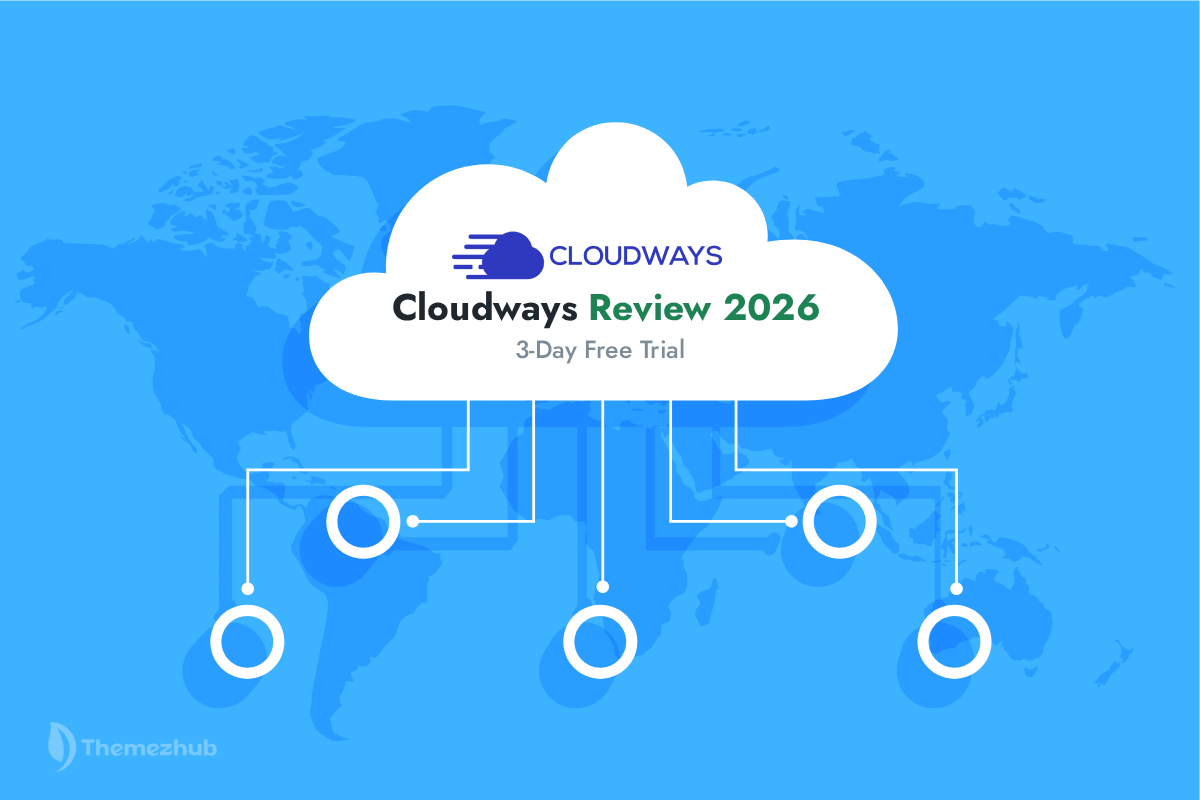
Yes. Cloudways offers a 3-day free trial right now. It covers both flexible and autonomous. No credit card is needed to start it either. With Flexible, you can launch a server during the trial. You can deploy an application too or migrate an existing website over. You get the opportunity to test the platform before you spend anything.
No Credit Card Required
Once the trial ends, you will have to upgrade. That’s the only way to keep using the service. Cloudways runs on a pay-as-you-go billing model. You’re charged based on what you actually use. For Flexible, billing comes from your server usage. Autonomous works differently, using hourly, per-application billing instead.
Thinking about Cloudways hosting? The free trial is a solid way to explore the platform first. You get to see whether the management tools and hosting setup actually fit what you need before committing to a paid account.
Cloudways Premium vs Standard
Cloudways offers standard and premium configurations for DigitalOcean servers. The main difference comes down to hardware: Standard servers use SSD storage with networking speeds up to 2 Gbps, while premium servers use faster NVMe storage, newer Intel Xeon processors, and networking speeds up to 10 Gbps.
Both options run across several DigitalOcean server families, including Basic, General Purpose, and CPU Optimized configurations. Not every server size comes in both Standard and Premium versions, though.
For a smaller website, blog, or development project, Standard hardware may give you enough without the extra cost. Premium makes more sense for busy websites and eCommerce stores. Faster storage and higher network throughput help databases and resource-intensive applications too.
Cloudways Performance Review
Cloudways performance depends on a few things. The infrastructure provider matters, and so does the server configuration. Application type and resources play a role too. CPU and RAM affect results. Storage, server location, and workload matter too. No single performance profile fits every Cloudways hosting setup. Cloudways also provides monitoring and performance tools. Users can use these tools to track resource usage and identify issues early.
Server Resources and Performance
Cloudways gives users control over the server resources they pick, with options varying by infrastructure provider and configuration. CPU and RAM shape how well a server handles application processes and traffic. Storage technology influences database and file operations. Server location matters too, especially when most of your visitors sit in one specific region.
Cloudways lets users monitor CPU and RAM usage. Disk usage and bandwidth are trackable too, along with database connections and other server resources. This helps spot resource limitations early and shows when a configuration needs attention.
However, adding more resources doesn’t automatically make every website faster. The application’s code and database matter too, along with plugins, traffic patterns, and optimization.
Speed, Caching, and CDN
Cloudways runs on a performance stack. Nginx and Apache are part of it. So are PHP-FPM and Varnish. Memcached and Redis round it out. Varnish comes preinstalled and works as a caching layer. Redis and Memcached add extra caching for supported applications.
For content delivery, Cloudways supports Cloudflare CDN. Cloudflare Enterprise is available as an add-on too, bringing features like edge caching and image optimization. HTTP/3 and a global network come with it as well. These technologies can improve loading times, depending on the website and configuration. Actual loading times still depend on the website and configuration, plus traffic and optimization.
Uptime and Reliability
Cloudways monitors servers and core services. Web servers, databases, and caching services all fall under that. Its monitoring system can try to resolve certain service issues automatically before sending an alert. This monitoring doesn’t track individual websites or applications, though. A website can have a problem at the application level. A server health alert won’t necessarily detect it.
Cloudways advertises a 99.99% uptime SLA right now. This is a Cloudways-stated SLA, not an independently measured uptime result. Actual reliability depends on the underlying cloud provider, too, and how the application is configured.
Cloudways Features and Management
Cloudways brings server and application management into one web-based dashboard. Users can handle routine tasks without touching the command line. The current interface gives access to servers and applications from a centralized dashboard. Monitoring and backups are there too, along with security settings and collaboration tools. That makes Cloudways hosting easier to manage than working directly with raw cloud infrastructure.
Control Panel and Server Management
The Cloudways dashboard lets users manage servers and applications from one place. Depending on the setup, users can adjust settings. Monitoring resources is possible too. Developer tools like WP-CLI and Git are available. Composer and cron jobs are too. This cuts down on routine server administration. Experienced users still get access to more advanced settings.
Backups, Staging, and Migration
Cloudways supports scheduled and on-demand backups. Users can restore a server or application whenever needed. Staging environments let you test changes before pushing them live. Cloning helps too, letting you create copies for testing or deployment. Cloudways also provides WordPress migration tools and managed migration assistance for users moving from another host.
Security and Protection
Security features include a server-level firewall and SSL certificates. IP access controls and other security management tools round it out. The current Cloudways interface also includes advanced security powered by Imunify360. Malware scanning comes with that, plus additional protection for flexible servers.
Scaling and Cloudways Copilot
Cloudways supports vertical scaling on Flexible, letting users increase server resources as their needs grow. The available options depend on the underlying infrastructure provider, though.
Cloudways Copilot adds AI-based server and application monitoring. It can identify issues and provide diagnostic insights. SmartFix actions are part of that too, helping resolve supported problems. It’s currently available for Cloudways Flexible users.
What Can You Host on Cloudways?
Cloudways isn’t just for WordPress websites. Other types of sites and applications work here too, depending on your project. Cloudways Flexible covers WordPress and WooCommerce. Magento, Laravel, and custom PHP applications are supported as well.
WordPress is the commonality in these, but not the only option. WooCommerce fits online stores well, too. Magento can be used for more complex e-commerce projects. Developers can deploy Laravel applications too or build custom PHP projects without a traditional content management system.
This makes Cloudways hosting useful beyond typical business websites and blogs. Developers can use it for custom applications. Agencies and businesses can host multiple websites and projects within the same managed environment. Cloudways also supports additional PHP-based applications through its PHP Stack. That gives developers more flexibility when a project doesn’t fit the standard options.
For users researching Cloudways web hosting or Cloudways VPS options, the important point is that Cloudways Flexible uses VPS-based cloud infrastructure while handling much of the server management for you.
Cloudways Support and Ease of Use
Cloudways offers a fairly straightforward way to manage cloud hosting. It’s not as simple as basic shared hosting, though. Setting up a server and deploying an application take just a few steps through the platform. You never configure the underlying cloud infrastructure by hand. The current dashboard brings servers and applications into one interface. The dashboard also provides access to projects, teams, and other management tools.
Migration is another area where Cloudways cuts down the technical work. WordPress and WooCommerce users can use the Cloudways Migrator, and managed migration is available too. WordPress and WooCommerce migrations are free. Non-WordPress migrations may carry a fee unless the customer’s plan already includes them.
For beginners, Cloudways can be easier than managing a cloud server directly. Some technical knowledge still helps, though. Developers get greater control over their server and application environment. Agencies and businesses can manage multiple projects through the same platform.
The main advantage is the managed infrastructure. Cloudways handles operating system patches and security updates. Firewall rules fall under that too. This cuts down on the server administration that users need to handle themselves. Standard support runs 24/7 through live chat and tickets. Advanced and premium support adds deeper application and performance help.
Cloudways hosting reviews often focus on this balance between control and convenience. Compared with simpler shared hosting, the trade-off is clear. Cloudways asks for more technical understanding. In return, it gives you considerably more control over the hosting environment.
Cloudways Pros and Cons
For this Cloudways Review, the biggest advantage is the balance between cloud infrastructure and managed hosting. You can choose from multiple infrastructure providers and adjust server resources as your needs grow. Tools for backups and staging come with it too, along with migration, monitoring, and WordPress management.
Pros
- Managed cloud hosting cuts down on day-to-day server administration
- Multiple infrastructure providers give you more choice over pricing and locations
- Flexible resources make scaling easier as traffic and application needs grow
- WordPress tools include staging, backups, and cloning, plus caching and migration
- Management and monitoring tools provide more control than typical shared hosting
Cons
- It can cost more than unmanaged cloud infrastructure because you’re paying for the managed platform and services
- It has a steeper learning curve than basic shared hosting
- Cloudways hosting costs vary by provider, resources, location, usage, and add-ons
- Smaller websites may not need all the available management and performance features
Overall, Cloudways works best for growing websites and businesses. Developers and agencies that value flexibility benefit too. Smaller sites with modest needs may find simpler hosting easier and cheaper.
Cloudways Alternatives
The right Cloudways alternatives depend on how much control you need. Simplicity and server management matter too. Cloudways sits between traditional hosting and direct cloud infrastructure. Another hosting model might suit some users better.
Want a simpler setup for a small website or blog? A business site works too. Providers like SiteGround or Hostinger may be easier to manage. Their packaged hosting plans mean you skip choosing server resources yourself. You manage less of the hosting environment overall. The trade-off is less control compared with Cloudways.
For WordPress-only websites, managed WordPress providers offer another path. WP Engine and Kinsta are two options. These platforms focus specifically on WordPress. That makes them a better fit if you want a specialized WordPress environment. Cloudways Flexible takes a broader approach instead. It supports multiple applications and lets users choose from five cloud infrastructure providers.
Developers who want complete control can go straight to cloud infrastructure. You can use DigitalOcean, AWS, or Google Cloud directly. This removes the Cloudways management layer. It also means taking on more responsibility yourself. Server configuration and security fall on you, then, along with updates and maintenance. Cloudways handles much of this infrastructure management for you instead.
So when does each option make sense? Simpler hosting wins when ease of use matters most. Managed WordPress hosting fits WordPress-focused projects well. Direct cloud infrastructure suits users with strong server administration skills. Cloudways sits in the middle for anyone who wants cloud flexibility without managing every part of the infrastructure themselves.
Is Cloudways Worth It?
Cloudways can be worth the cost under the right conditions. You need more flexibility and control than traditional hosting offers. At the same time, you don’t want to manage cloud servers entirely alone. With Cloudways Flexible, you choose your infrastructure provider and adjust server resources. Managed features come with it too, like backups, staging, and security tools. Caching and migration assistance round that out.
Cloudways pricing is the main thing to weigh here. Flexible runs on usage-based billing. Your cost depends on the provider and server configuration. How long the server runs matters too, along with any extra services you use. DigitalOcean, Linode, and Vultr come with monthly caps, as long as servers stay active for a full month. AWS and Google Cloud work differently, using their own billing arrangements.
For growing business websites and ecommerce stores, Cloudways can make real sense. Agencies, developers, and WordPress sites needing room to scale benefit too. Managed infrastructure and performance features combine well here, backed by 24/7 support.
That said, a small blog or basic website may not need this level of control. A simpler hosting plan can be easier to manage. It may offer better value too, when traffic and resource needs stay modest.
Final Verdict
Cloudways remains a strong managed cloud hosting option in 2026. It suits users who want more control than traditional hosting without taking on all the underlying server administration. Its main strengths come down to a few things: choice of cloud providers, flexible resources, and scaling options. WordPress tools, migration features, and managed infrastructure round that list out.
The main drawbacks are the learning curve and variable pricing. Smaller websites may find they don’t need all the features Cloudways offers either.
For developers and agencies, Cloudways is a compelling option. Ecommerce businesses and growing websites benefit too, especially when flexibility and scalability matter. Beginners can use it as well, though simpler hosting may fit basic websites better.
Overall, this Cloudways Review finds Cloudways a solid choice for managed cloud hosting. That’s true as long as you actually need the flexibility it offers.
Frequently Asked Questions
What Is Cloudways?
What is Cloudways? It’s a managed cloud hosting platform. It lets you host websites and applications on infrastructure from providers like DigitalOcean and AWS. Google Cloud, Vultr, and Linode are options too. Cloudways manages much of the underlying infrastructure through its platform.
How Does Cloudways Work?
How does Cloudways work? You choose an application, cloud provider, server configuration, and location. Cloudways then deploys the application through its platform. You can manage the setup without configuring the entire cloud environment directly.
Is Cloudways Good for WordPress?
Yes. Cloudways WordPress hosting suits websites that need more control than basic hosting provides. It supports staging and backups, along with caching and migration. Cloudways also offers Autonomous. That’s built for WordPress and WooCommerce sites wanting automatic scaling and high availability.
Does Cloudways Offer a Free Trial?
Yes. The Cloudways free trial runs for three days. No credit card is needed to start it. You can test the platform during the trial. Upgrading to a paid account comes after that.
What Are the Best Cloudways Alternatives?
The best Cloudways alternatives depend on your needs. Simpler hosting may suit smaller websites better. WordPress-focused sites can work well with managed WordPress hosting. Developers wanting complete control can use cloud providers directly. DigitalOcean, AWS, and Google Cloud all work for that.